
Blog
Sani Pass from Durban: Complete Guide to Private Day Tours, Travel Time & What to Expect

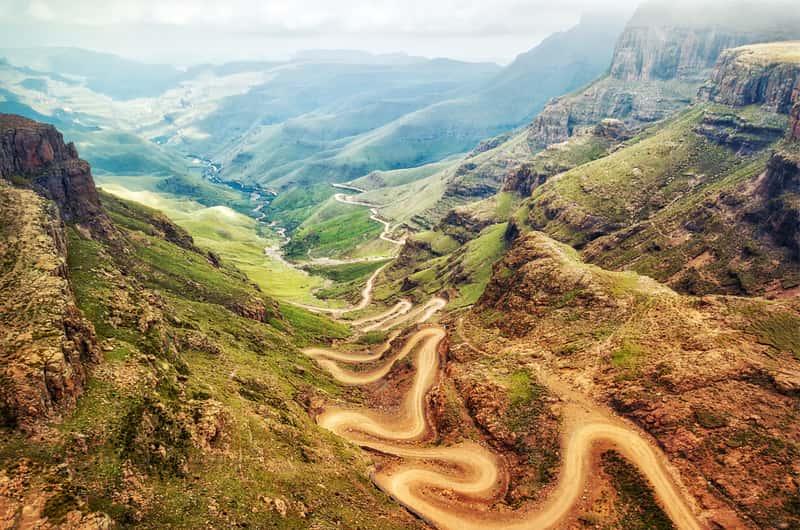
A day trip from Durban to Sani Pass is one of the most memorable ways to experience the dramatic landscapes of the Southern Drakensberg and cross into the mountain kingdom of Lesotho. In a single journey, travellers can leave the coastal city behind, travel through the green countryside of KwaZulu-Natal, climb the legendary switchbacks of Sani Pass in a 4×4 vehicle, cross an international border and experience a very different high-altitude landscape and culture.
For visitors who are based in Durban and have limited time, a private Sani Pass day tour offers a practical way to experience the route without arranging multiple transfers, navigating border procedures or attempting the mountain road independently. This guide explains how the journey works, how long it takes, what you can expect along the way and how to prepare for the day.
Why Visit Sani Pass from Durban?
Sani Pass is more than a scenic mountain road. It is a historic route connecting South Africa with Lesotho and one of the best-known high-altitude driving experiences in the region. The road climbs through the Drakensberg escarpment in a series of steep bends before reaching the Lesotho border at Sani Top.
For Durban visitors, the appeal is the contrast. The journey begins near sea level and moves inland toward the Southern Drakensberg before climbing into a rugged mountain environment. By the time you reach the top, the scenery, temperature, altitude and sense of place can feel completely different from Durban.
A guided private tour also turns the drive into a fuller travel experience. Rather than concentrating on road conditions and navigation, guests can focus on the viewpoints, landscape, local history and cultural encounters that make the route memorable.
How Far Is Sani Pass from Durban?
The Sani Pass route is reached through the Southern Drakensberg area around Underberg. A tour from Durban therefore includes two distinct parts: the road journey from Durban to the Underberg area, followed by the mountain section toward Sani Pass and Lesotho.
Because this is a full-day experience, travellers should expect an early start and a substantial amount of driving. The exact journey time can vary with the collection point in Durban, traffic, road conditions, border procedures and weather in the mountains. A private tour is useful because the day’s transport is coordinated as one itinerary rather than requiring travellers to arrange separate transfers and a Sani Pass vehicle.
What Does a Private Sani Pass Day Tour from Durban Include?
The experience offered by Sani & Lesotho Private Tours combines transportation from Durban with the guided Sani Pass journey. Guests travel toward Underberg and continue into the mountain route in an appropriate 4×4 vehicle. The day typically includes scenic stops, the border crossing into Lesotho, time in the highlands, a Basotho cultural experience and a visit around the Sani Top area.
For the current tour format and inclusions, see the Sani Pass Day Tour from Durban on the official website.
The Journey: Durban to Underberg
The first part of the day takes you away from Durban and toward the foothills of the Southern Drakensberg. As the city gives way to smaller towns, farmland and rolling countryside, the landscape gradually changes. Underberg is the gateway area for the Sani Pass journey and the point from which the mountain adventure becomes the focus of the day.

Climbing Sani Pass by 4×4
Sani Pass is famous for its steep gradients, narrow sections and tight switchbacks. That terrain is a major part of the experience, but it is also why travellers benefit from an experienced guide and a suitable 4×4 vehicle. The ascent is not simply a transfer from one place to another; the changing views are one of the highlights of the tour.
Weather can transform the character of the pass. Clear conditions can reveal wide mountain panoramas, while cloud, mist, rain or winter conditions can make the route feel much more dramatic. Mountain weather can change quickly, so flexibility is important on any Sani Pass trip.

Crossing into Lesotho
Sani Pass crosses an international border, so travellers should treat the trip as a genuine cross-border journey rather than a domestic sightseeing drive. A valid passport is essential for travellers crossing into Lesotho. Visa requirements depend on nationality, so international visitors should verify the entry rules that apply to their passport before travelling.
Border processing time can vary. Keeping your passport accessible and following your guide’s instructions helps the crossing proceed as smoothly as possible.
Experiencing Basotho Culture
One of the reasons to travel beyond the pass itself is the opportunity to gain an introduction to Basotho life and culture. The highlands are not merely a scenic backdrop; they are home to communities whose traditions have developed around the mountain environment.
A respectful cultural experience can add context to what visitors see around them—from traditional homes and clothing to food, local customs and the realities of living at altitude. This human element often becomes as memorable as the road and the mountain views.

Sani Top and the Highest Pub in Africa
The Sani Top area is one of the best-known stops associated with the pass. Travellers commonly visit the famous pub at Sani Mountain Lodge, widely promoted as the Highest Pub in Africa. It is an opportunity to pause after the ascent, take in the high-altitude setting and enjoy the sense of having travelled from Durban into a completely different environment within the same day.

Do You Need a 4×4 for Sani Pass?
The upper Sani Pass is a demanding mountain road, and road conditions can change with weather and maintenance. Travellers should not approach it like an ordinary paved sightseeing route. Using a suitable 4×4 with a guide who knows the pass removes much of the uncertainty around vehicle suitability, mountain driving and changing conditions.
For visitors on holiday in Durban, this is particularly valuable. There is no need to rent a specialised vehicle solely for the pass or spend the day concentrating on a technically challenging road. The guide handles the driving while guests experience the scenery and stops.
What Should You Take on a Sani Pass Day Trip?
- Valid passport: You will cross the border between South Africa and Lesotho.
- Warm layers: Temperatures at altitude can be much cooler than Durban, even when the coast feels warm.
- Comfortable footwear: Useful for stops, viewpoints and uneven ground.
- Sun protection: High-altitude sun can be strong, so carry sunscreen, sunglasses and a hat.
- Water and personal essentials: A full-day journey is more comfortable when you have the basics with you.
- Camera or charged phone: The pass and highlands offer exceptional landscape photography.
- Any required medication: Carry personal medication with you rather than leaving it at your accommodation.
What Is the Weather Like at Sani Pass?
One of the easiest mistakes is assuming that the weather in Durban will tell you what conditions will be like at Sani Pass. It will not. The altitude difference is significant, and the mountains can be colder, windier and more changeable than the coast.
Travelling with layers is therefore sensible throughout the year. Winter can bring very cold conditions and snow in the highlands, while summer may bring rapidly changing cloud, rain or thunderstorms. Weather can also affect road accessibility and the day’s schedule, so safety must take priority over a fixed itinerary.
Is a Sani Pass Day Trip from Durban Worth It?
For travellers who want to see more than Durban’s coastline and city attractions, the Sani Pass journey offers an unusually varied day. It combines a scenic road trip, mountain adventure, international border crossing, Lesotho landscapes and cultural discovery in one experience.
The main consideration is the length of the day. If you prefer slow travel and want to explore Lesotho in greater depth, an overnight or multi-day itinerary will give you more time in the country. But if your itinerary only allows one day, a private Sani Pass tour from Durban can be an efficient introduction to both the Drakensberg and Lesotho.
Private Tour vs Group Tour: Which Is Better?
A group tour can suit travellers who prioritise a lower shared cost and are comfortable following a fixed schedule. A private tour is better suited to travellers who value a more personal experience, easier coordination from Durban and greater attention from the guide.
Private travel can be especially useful for couples, families, photographers, older travellers and small groups who prefer not to spend the day moving according to a larger group’s pace. The right choice depends on budget and travel style, but for a long day from Durban, convenience and flexibility can make a meaningful difference.
Can You Visit Lesotho from Durban in One Day?
Yes. A carefully organised Sani Pass itinerary makes it possible to travel from Durban, cross into Lesotho and return in the same day. However, it should be viewed as a full-day excursion rather than a short outing. Starting early and using a tour that coordinates both the Durban transfer and Sani Pass section helps make the itinerary practical.
If your goal is to see destinations deeper inside Lesotho, meet more communities or spend more time exploring the highlands, consider an overnight or multi-day journey instead. A day tour is best used as an introduction to the country.
Frequently Asked Questions
Do I need a passport for a Sani Pass tour from Durban?
Yes. The tour crosses from South Africa into Lesotho, so travellers need a valid passport. Entry and visa requirements vary by nationality and should be checked before departure.
How long is a Sani Pass day tour from Durban?
It is a full-day experience. Total duration can vary depending on the Durban collection point, traffic, road and weather conditions, border processing and time spent at stops.
Is Sani Pass suitable for children?
Families can enjoy the route, but parents should consider the long day, mountain driving and altitude when deciding whether it suits younger children. Confirm any age-specific requirements with the tour operator before booking.
Can I drive Sani Pass myself?
Self-driving requires careful consideration of current road conditions, vehicle suitability, border requirements and mountain-driving experience. Visitors unfamiliar with the route often choose a guided 4×4 tour so they can focus on the experience rather than the driving.
Does Sani Pass close in bad weather?
Severe weather or unsafe road conditions can affect access. Conditions in the mountains can change quickly, so the guide’s safety assessment and current local information should always take priority.
What should I wear?
Dress in layers and bring a warm outer layer even if Durban is warm. Comfortable shoes, sun protection and weather-appropriate clothing are recommended.
Is one day enough for Lesotho?
One day is enough for an introduction through Sani Pass and the Sani Top highlands. Travellers wanting to experience more of Lesotho should consider an overnight or multi-day tour.
Plan Your Sani Pass Tour from Durban
A Sani Pass day trip gives Durban visitors the chance to experience one of Southern Africa’s most distinctive mountain journeys without having to build the logistics themselves. From the changing landscapes between Durban and Underberg to the 4×4 ascent, border crossing, Lesotho highlands and Basotho cultural experience, the day offers far more than a scenic drive.
If you are planning the journey, explore the private Sani Pass Day Tour from Durban and contact Sani & Lesotho Private Tours to confirm the current itinerary, border requirements, collection arrangements and availability for your travel date.