
Blog
Sani Pass & Lesotho Travel Guide: Best Time to Visit, Weather, Passport Requirements & What to Pack

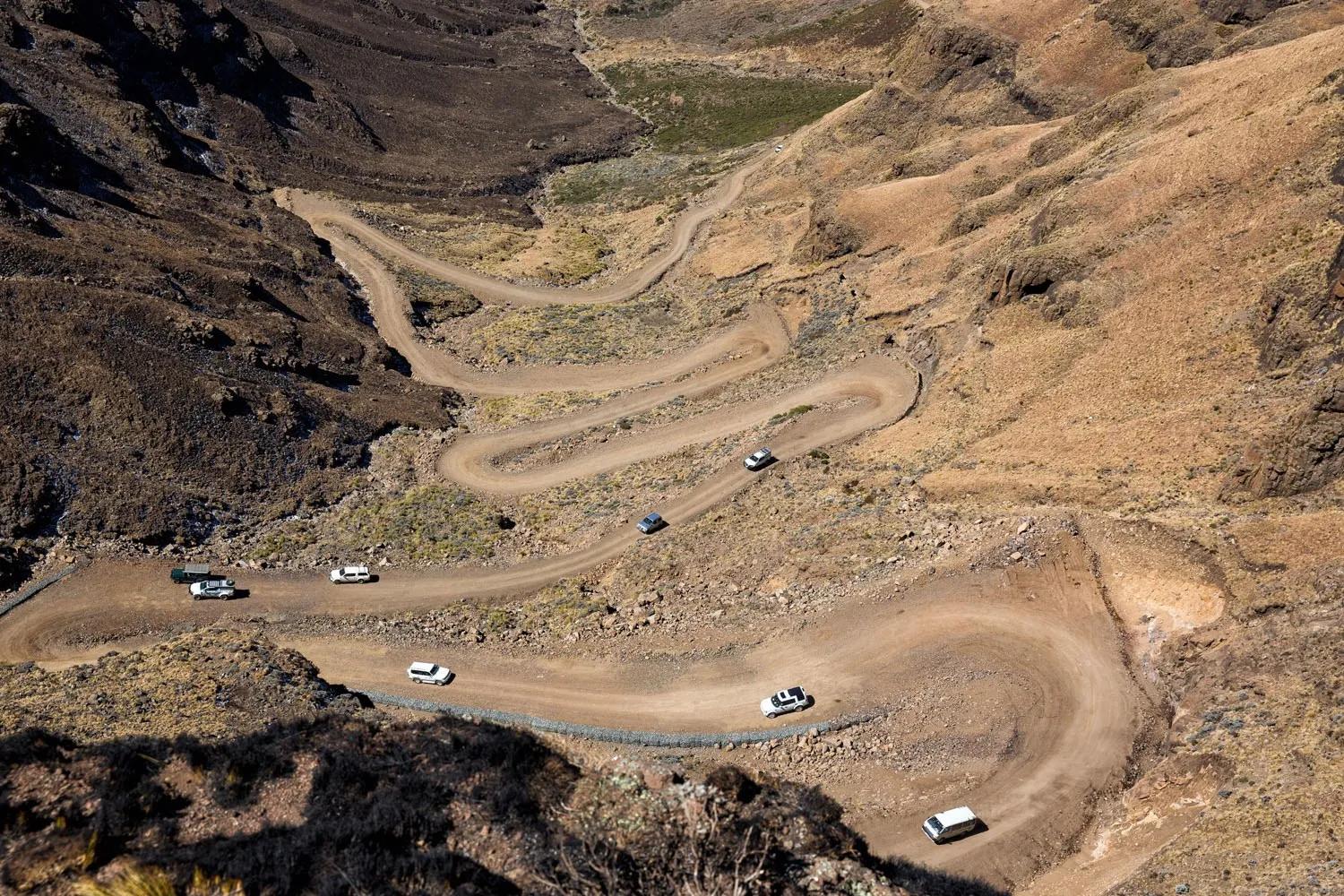
Sani Pass is one of Southern Africa’s most distinctive mountain journeys, but preparing for it is different from planning an ordinary day trip. In a relatively short distance, travellers move from the lower elevations of KwaZulu-Natal into the Drakensberg mountains and across an international border into the highlands of Lesotho.
That change in altitude means the weather can be dramatically different from Durban or Underberg. You also need to think about passports, border requirements, clothing, road conditions and the type of vehicle used on the pass. Good preparation makes the experience more comfortable and helps prevent avoidable surprises.
This practical guide answers the questions travellers most often ask before visiting Sani Pass and Lesotho, whether you are planning a private day tour or a longer journey into the Kingdom in the Sky.
When Is the Best Time to Visit Sani Pass?
Sani Pass can offer memorable experiences throughout the year, but there is no single season that is perfect for every traveller. The best time depends on whether you prefer greener landscapes, clearer mountain days, warmer conditions or the possibility of winter snow.
The most important point is that Sani Pass is a high-altitude mountain environment. Conditions can change quickly in any season, so travellers should prepare for temperature changes rather than relying only on the forecast for Durban, Pietermaritzburg or other lower-altitude locations.

Summer: Green Landscapes and Changing Mountain Weather
During the warmer months, the Drakensberg and Lesotho highlands can appear greener and more vibrant. This is an attractive period for landscape photography and travellers who prefer milder daytime temperatures.
However, summer mountain weather can be changeable, and rain, cloud or thunderstorms may develop. A warm morning does not guarantee identical conditions at Sani Top. Lightweight layers and a weather-resistant outer layer remain useful.
Autumn: Comfortable Conditions and Scenic Travel
Autumn can be an appealing transition period, with changing vegetation and generally cooler conditions as the highlands move toward winter. Travellers should still be prepared for cold mornings and evenings, particularly at altitude.
Winter: Cold Highlands and the Possibility of Snow
Winter brings a very different character to Sani Pass and Lesotho. Temperatures at altitude can become extremely cold, and snow may occur in the mountains. For some travellers, seeing a snow-covered highland landscape is a major attraction.
Snow should never be treated as guaranteed, however, and severe winter conditions can affect road access. Warm clothing becomes especially important, and itinerary changes may be necessary when conditions are unsafe.
Spring: Changing Landscapes and Variable Conditions
Spring is another transition period, when the landscape begins moving away from winter conditions. As with the rest of the year, mountain weather can remain unpredictable. Travellers should check current conditions close to departure and pack for more than one type of weather.
What Is the Weather Like on Sani Pass?
The weather at Sani Pass can be significantly colder and more variable than at the starting point of your journey. The route climbs rapidly into a high-altitude environment, so temperature, wind, cloud and visibility can change as the vehicle gains elevation.
This is why dressing in layers is one of the most useful pieces of advice for a Sani Pass trip. You can remove layers when conditions are warm and add them again when the temperature drops. Even travellers visiting during warmer months should carry something warm.
Weather also influences the road. Heavy rain, snow, ice, mist or other difficult conditions can affect accessibility and safety. An experienced local guide can assess current conditions and adapt the journey when necessary.

Does It Snow at Sani Pass and in Lesotho?
Yes, snow can fall around Sani Pass and in the Lesotho highlands during colder periods. Lesotho’s elevation means winter conditions can be much harsher than many international visitors expect when planning a trip in Southern Africa.
If seeing snow is one of your reasons for travelling, keep expectations flexible. Snowfall varies from year to year and cannot be promised for a particular travel date. Equally, when heavy snow does arrive, road conditions may affect whether a planned route can operate safely.
Can Sani Pass Close Because of Weather?
Mountain conditions can affect access to Sani Pass. Safety must take priority when snow, ice, heavy rain, poor visibility or other road conditions make travel unsuitable.
Travellers should therefore avoid building an itinerary that depends on everything operating exactly as planned regardless of weather. Private guided travel can be valuable because the operator can assess conditions, communicate changes and make practical decisions based on the route on the day.
Do You Need a Passport for Sani Pass?
Yes. If your Sani Pass itinerary crosses the border into Lesotho, you are travelling between South Africa and another country. Every traveller should carry a valid passport that meets the applicable entry requirements.
Do not leave your passport at your hotel because the trip begins in South Africa. You will need it for the border crossing. Keep it accessible during the journey rather than packed deep inside your luggage.
Do You Need a Visa for Lesotho?
Visa requirements depend on your nationality, passport and current immigration rules. Some travellers may be able to enter Lesotho without obtaining a visa in advance, while others may need additional permission.
Because immigration rules can change, confirm the current requirements that apply specifically to your nationality before your travel date. Your tour operator can help explain the journey, but official immigration guidance should be used for the final decision on entry eligibility.
What Should You Wear on a Sani Pass Tour?
The safest approach is to dress for changing conditions rather than for the weather at your accommodation. A layered outfit works well because the day may include warmer lower elevations and much colder conditions at the top.
- Comfortable base layer or everyday travel clothing.
- Warm mid-layer such as a fleece, sweater or light insulated jacket.
- Weather-resistant outer layer when rain, wind or cold conditions are possible.
- Comfortable closed footwear suitable for viewpoints and uneven ground.
- Hat and sunglasses for sun exposure.
- Additional winter clothing such as gloves and a warm hat when travelling in cold conditions.
What Should You Pack for Sani Pass and Lesotho?
- Passport: Essential when crossing into Lesotho.
- Warm layer: Useful throughout the year because conditions at altitude may be much colder.
- Sun protection: Bring sunscreen, sunglasses and a hat; high-altitude sun can be strong.
- Water: Carry enough for your personal needs during a long day.
- Personal medication: Keep essential medication with you.
- Phone or camera: The pass and Lesotho highlands offer exceptional photography opportunities.
- Portable charger: Helpful on a full-day or multi-day journey, particularly when taking many photographs.
- Small amount of money: Useful for personal purchases, refreshments, crafts or gratuities where appropriate.
- Compact day bag: Keeps your passport, layers and essentials accessible during stops.

Why Is a 4×4 Used on Sani Pass?
Sani Pass is not an ordinary sightseeing road. The upper route is known for steep gradients, tight switchbacks and conditions that can change with weather and road maintenance. A suitable 4×4 provides the capability required for this type of mountain terrain.
For visitors unfamiliar with the route, travelling with an experienced guide also removes the pressure of navigating the pass yourself. Instead of concentrating on gear selection, road edges, border procedures and changing conditions, you can focus on the scenery and experience.

Can You Drive Sani Pass Yourself?
Independent travel should only be considered after checking current road requirements, border rules, vehicle suitability and weather conditions. Drivers also need to be comfortable with steep, narrow mountain roads.
For many international visitors, hiring a guided 4×4 tour is the simpler option. It avoids renting a specialised vehicle solely for the route and adds local knowledge about the landscape, history, communities and conditions.
How High Is Sani Pass, and Will You Feel the Altitude?
Sani Top sits at a high elevation, and travellers climb substantially from the lower valleys during the journey. Some people notice the altitude more than others. You may feel colder, become tired more quickly or notice that physical activity feels different from sea level.
Most sightseeing itineraries do not require strenuous activity, but travellers should take their time, stay hydrated and avoid pushing themselves unnecessarily. Anyone with specific health concerns about altitude should seek appropriate medical advice before travelling.
Is Sani Pass Suitable for Children and Older Travellers?
Many families and older travellers can enjoy a guided Sani Pass experience, but suitability depends on the individual. Consider the length of the day, mountain-road travel, altitude, mobility requirements and personal comfort.
Private tours can be particularly useful because the experience is not built around the pace of a large group. Before booking, discuss any mobility considerations, young children or other practical requirements with the operator so the itinerary can be assessed appropriately.
Is One Day Enough for Sani Pass and Lesotho?
One day is enough to experience Sani Pass, cross the border and receive an introduction to the Lesotho highlands around Sani Top. It works particularly well for travellers based in Durban or the Southern Drakensberg who have limited time.
However, a day trip should not be confused with seeing Lesotho as a whole. The country contains destinations such as Maletsunyane Falls, Katse Dam, mountain lodges, rock art sites and remote communities that require additional travel time.
Travellers wanting a deeper experience can compare the Lesotho overnight private tours offered by Sani & Lesotho Private Tours.
Day Tour or Overnight Lesotho Tour: Which Should You Choose?
Choose a day tour if Sani Pass is your main priority, your schedule is limited or you want a first introduction to Lesotho. Choose an overnight or multi-day tour if you want to spend more time with the landscape and culture, reach destinations deeper inside the country or avoid fitting the entire experience into one long day.
A multi-day itinerary also creates opportunities to experience the highlands at different times of day, stay in mountain accommodation and visit attractions that cannot realistically be included in a Sani Pass day trip.
Planning a Sani Pass Tour from Durban
Travellers staying in Durban can visit Sani Pass without first arranging their own overnight stay in Underberg. A dedicated tour from Durban coordinates the transfer toward the Southern Drakensberg with the guided mountain journey.
See the Sani Pass Day Tour from Durban for the current itinerary and tour information.
Frequently Asked Questions
What is the best month to visit Sani Pass?
There is no single best month for everyone. Warmer periods can offer greener scenery, while winter brings colder, drier highland conditions and the possibility of snow. Choose according to the experience you prefer and check current conditions before travelling.
Do I need a passport even for a day trip?
Yes, if the itinerary crosses into Lesotho. It is an international border crossing, even when you return to South Africa on the same day.
What happens if the weather is bad?
Mountain weather can affect road conditions and visibility. Your guide may need to adapt, delay or change the itinerary when conditions are unsafe.
Will my phone work in Lesotho?
Connectivity can be limited in remote mountain areas, and international roaming arrangements vary. Do not depend on continuous mobile data throughout the journey.
Should I bring cash?
A small amount can be useful for personal purchases, refreshments, local crafts or gratuities. Ask your operator about the most practical currency and payment arrangements for your itinerary.
Can I visit Sani Pass from Durban in one day?
Yes. It is a long full-day experience, but a coordinated private tour can take travellers from Durban toward Underberg, through Sani Pass and into Lesotho before returning.
Is Sani Pass worth visiting if I do not like hiking?
Yes. The main Sani Pass experience is a scenic 4×4 journey with viewpoints, border crossing and cultural stops. Hiking is not necessary to appreciate the route.
Prepare Well, Then Enjoy the Journey
Sani Pass is memorable precisely because it does not feel like an ordinary road trip. Altitude, mountain weather, changing scenery and the international border all contribute to the sense of adventure. The best preparation is straightforward: carry the correct travel documents, dress in layers, pack the essentials and approach the itinerary with some flexibility.
Once those practical details are handled, you can concentrate on what makes the journey special—the Drakensberg views, dramatic 4×4 ascent, Lesotho highlands and opportunity to experience Basotho culture.
Explore Sani & Lesotho Private Tours to compare private day tours and longer Lesotho itineraries.
